Peramea
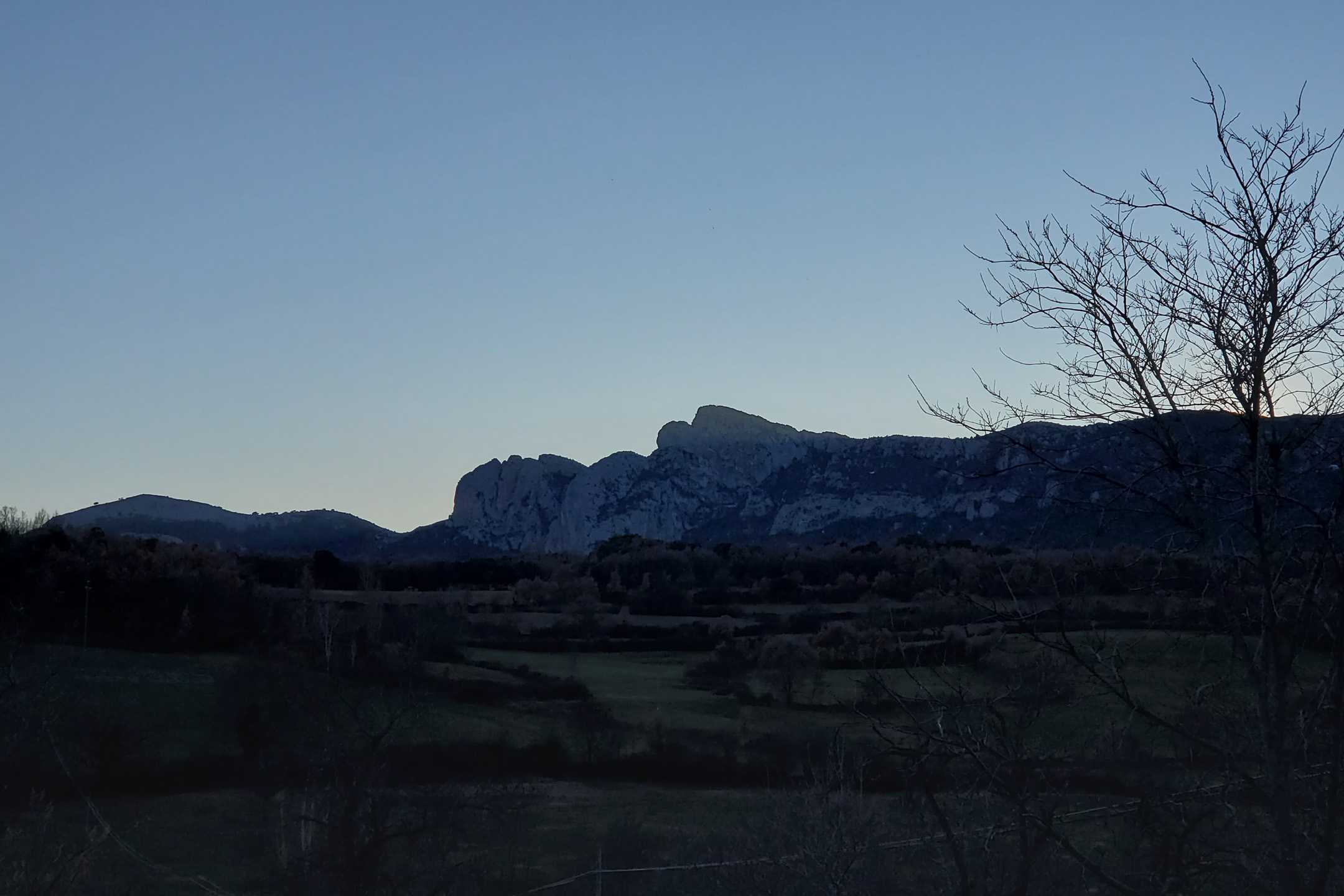
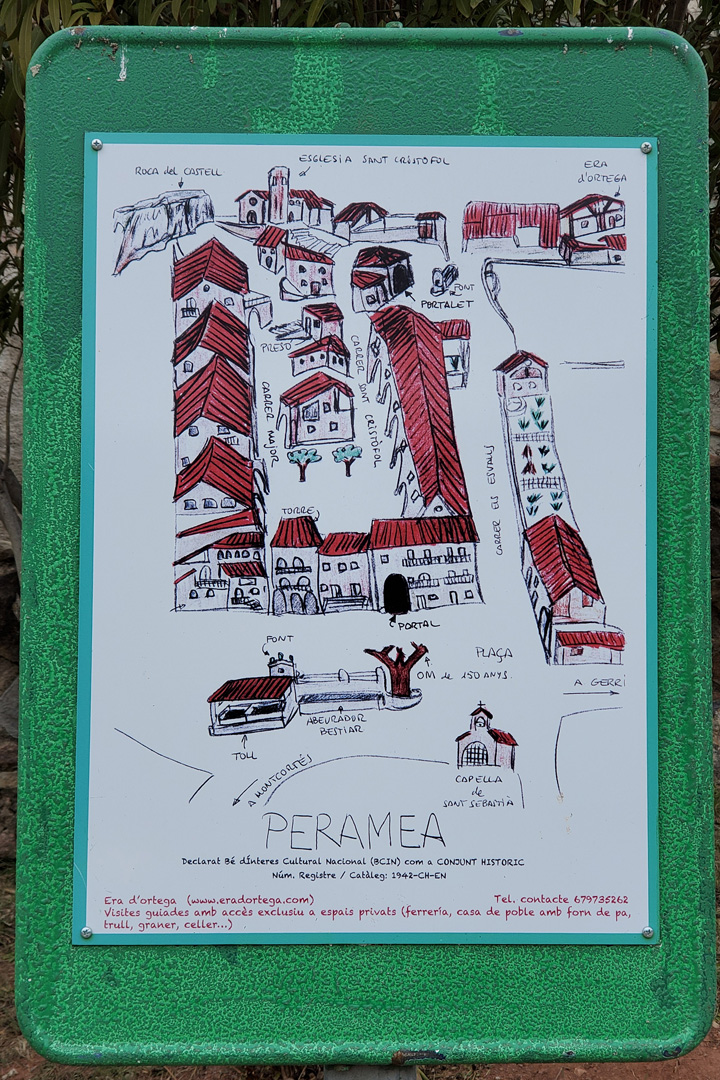
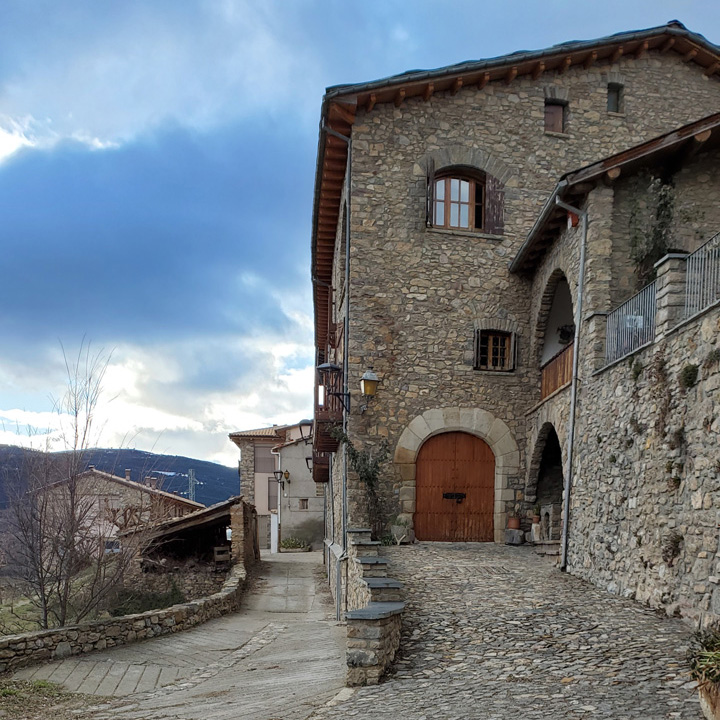
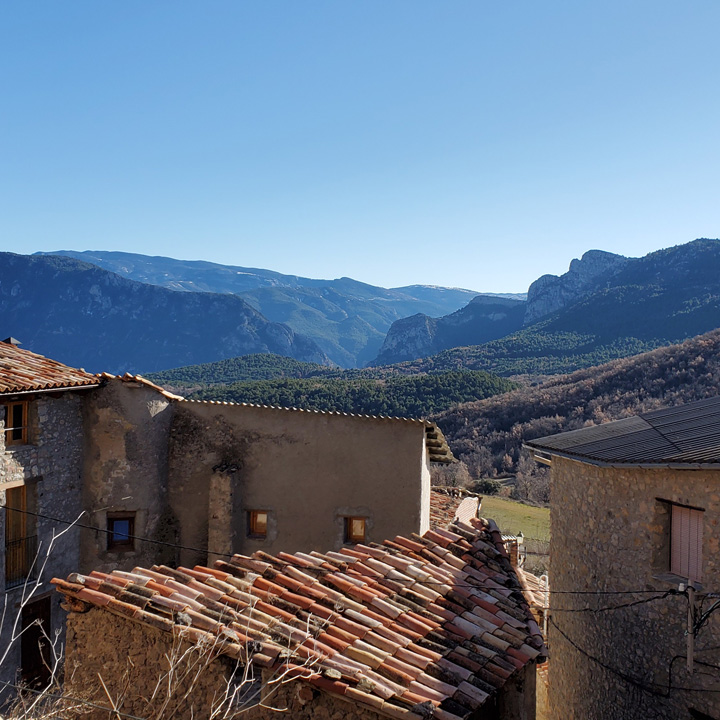
Our second stop, for the last 4 days, was in the town of Peramea. Further north and west but still in Catalonia, it is just south of the higher Pyrenees peaks and the ski areas. Peramea is tucked into the hills above Gerri de la Sal and is the most important settlement of the high plateau called Pla de Corts. Its urban structure is a clear example of a medieval vila closa (walled town), where the exterior walls of the buildings have the defensive character of a wall, with two gates into the enclosure. Declared a Cultural Asset of National Interest in 1996, its existence was first documented in the 11th century.
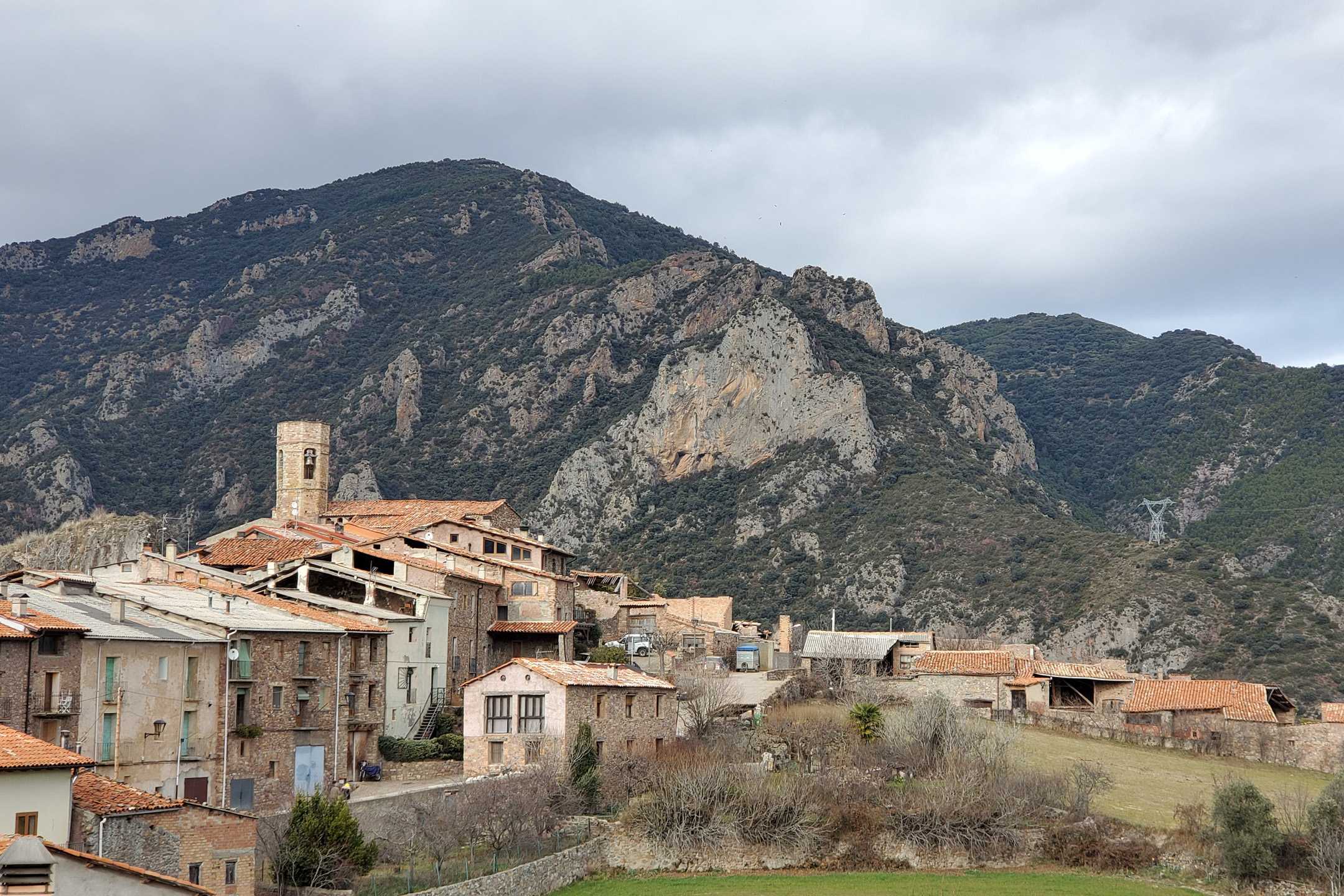
Peramea has no shops, just a bar (sadly not open while we were there). A van comes to sell bread and produce weekly.
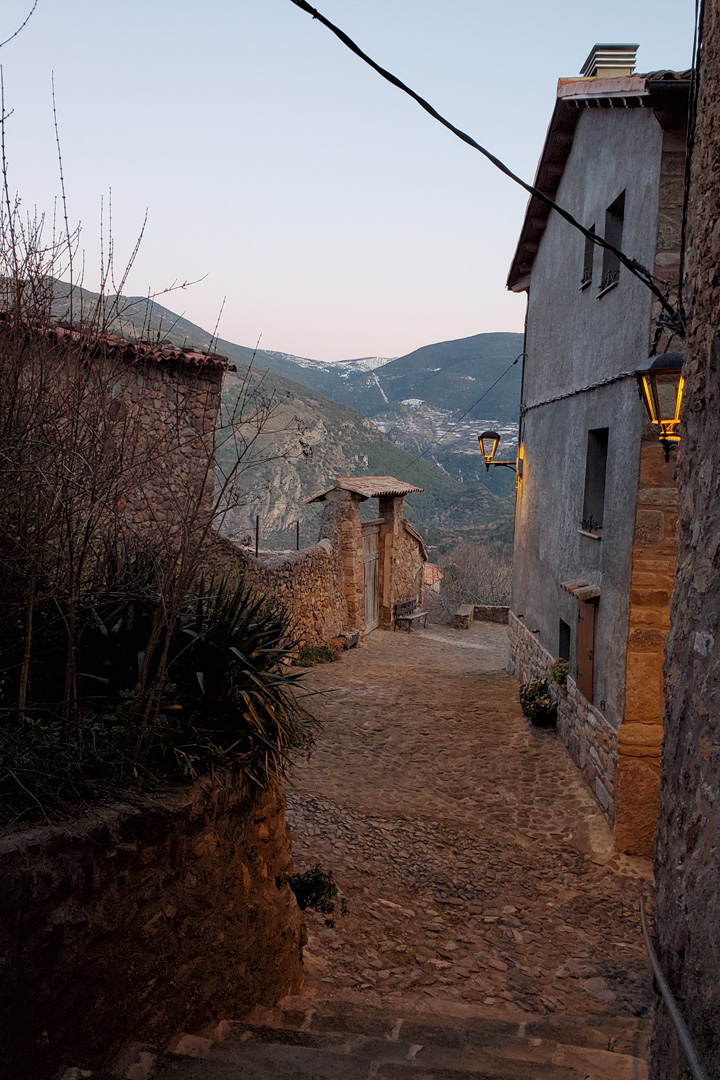
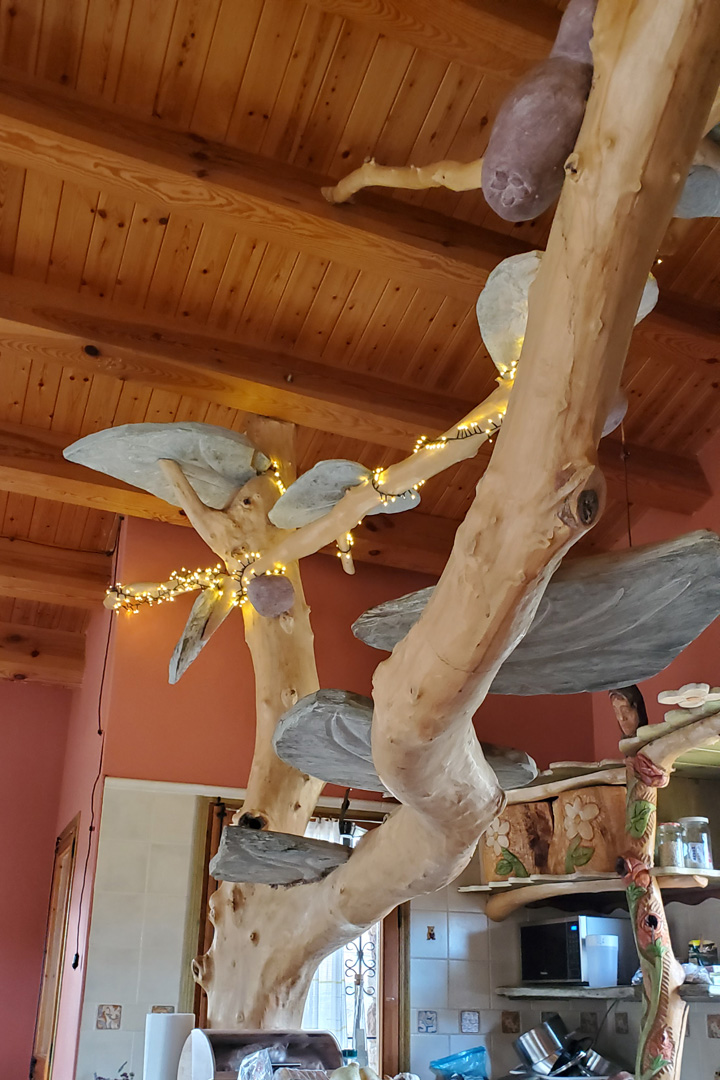
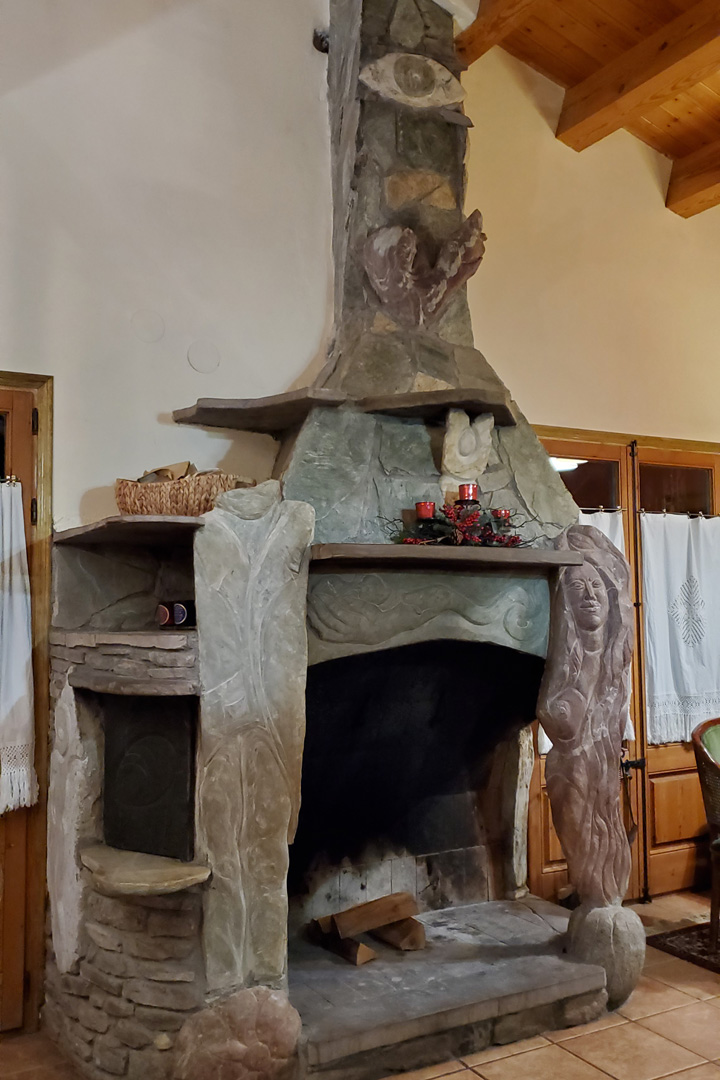
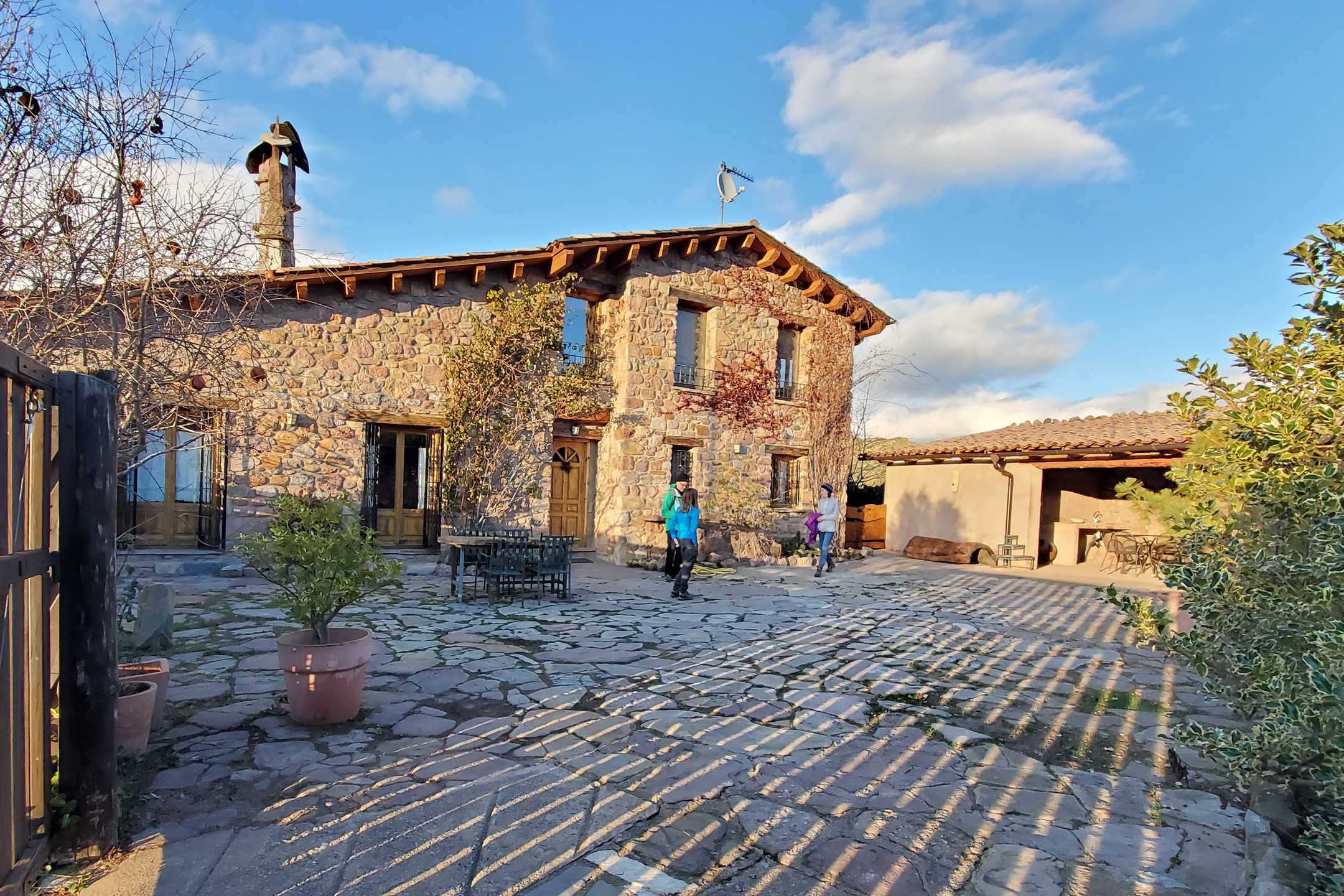
We stayed in a beautiful house just outside the vila closa with a beautiful view of the town, a hand-carved stone fireplace, a tree trunk incorporated into the kitchen and a gorgeous patio.
One day we drove down the hill to Gerri de la Sal. Gerri de la Sal, which sits on the flat river plain of the Noguera Pallaresa, is so named for its salt-mining operation, which dates back to at least the 9th century. The salt comes from a natural source nearby on one bank of the river.
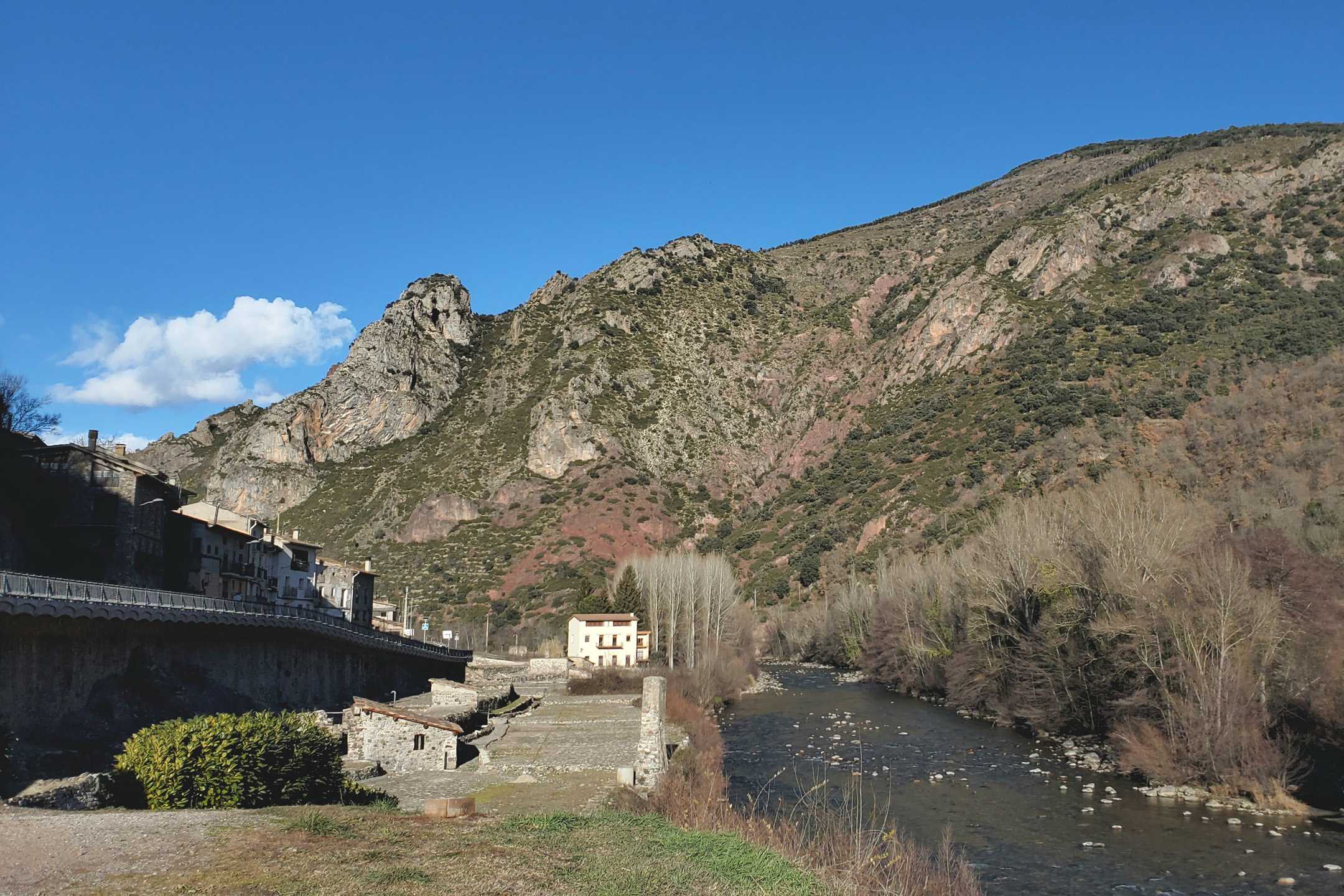
Across the river from the town is the Catalan Romanesque Monastery of Santa Maria de Gerri (12th century).
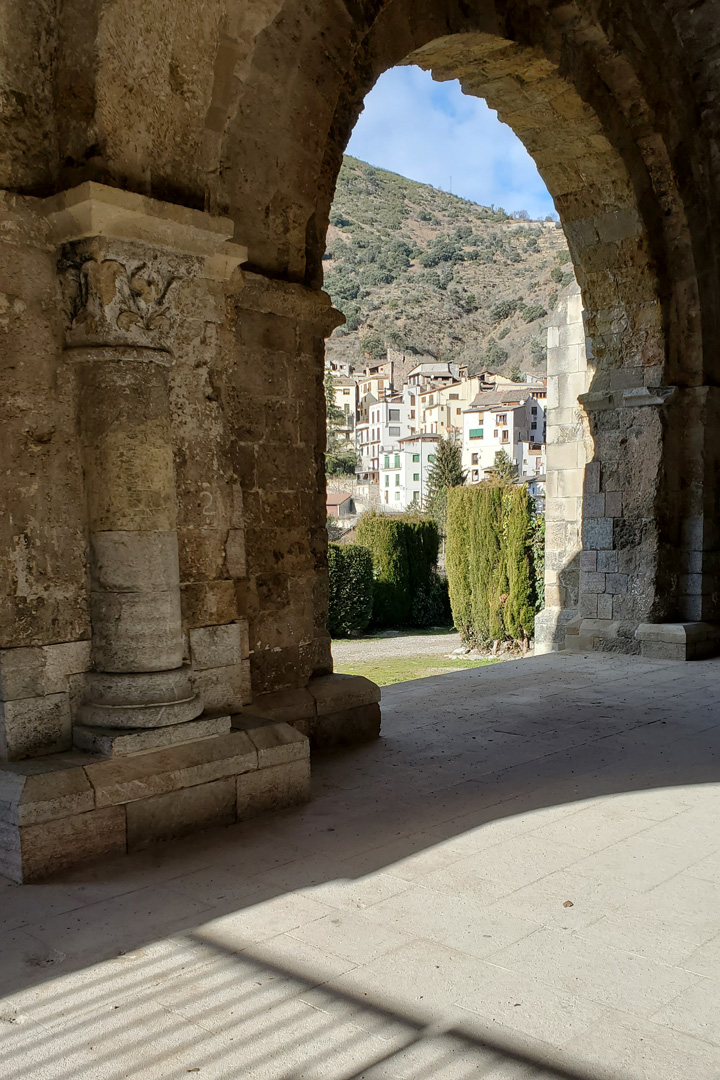
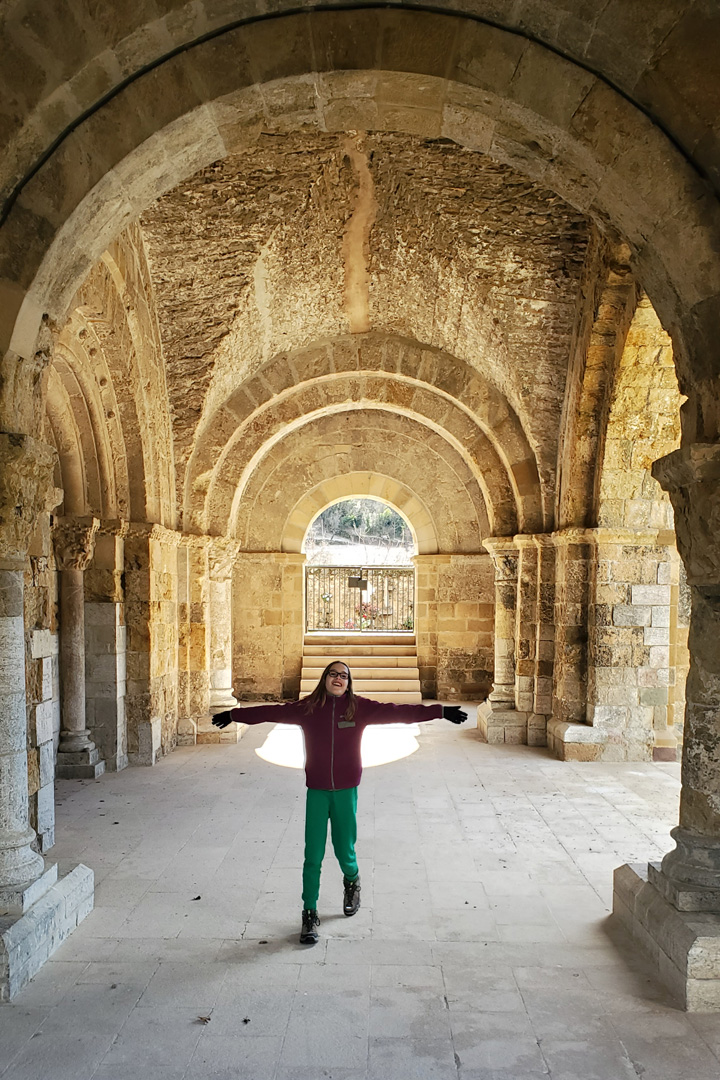
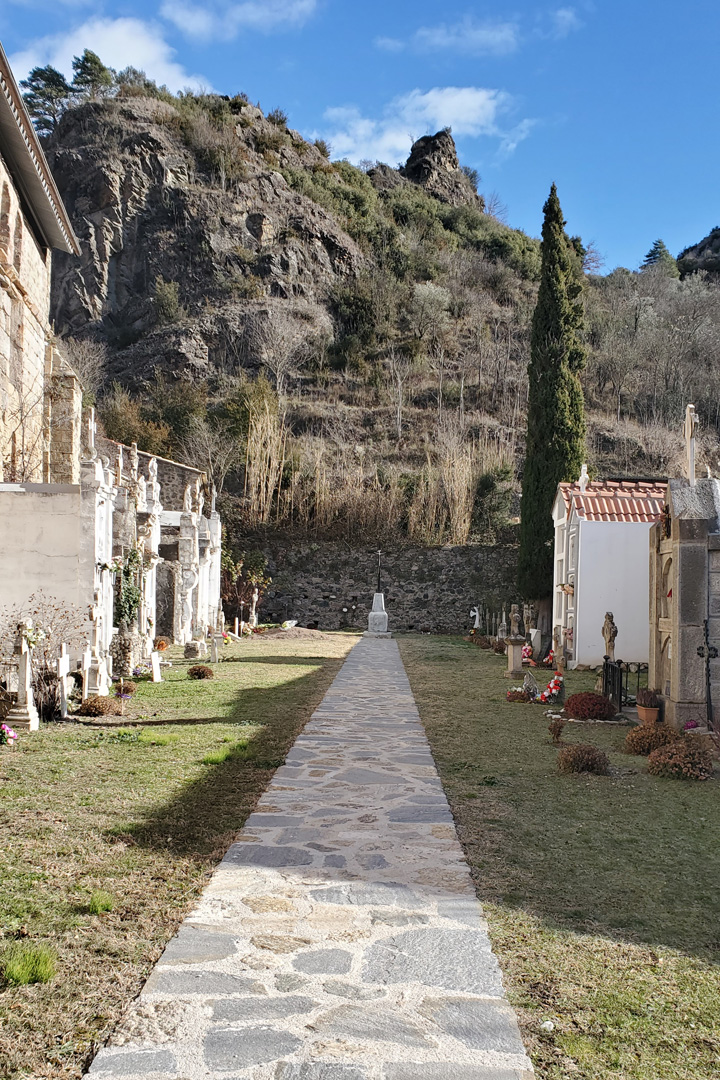
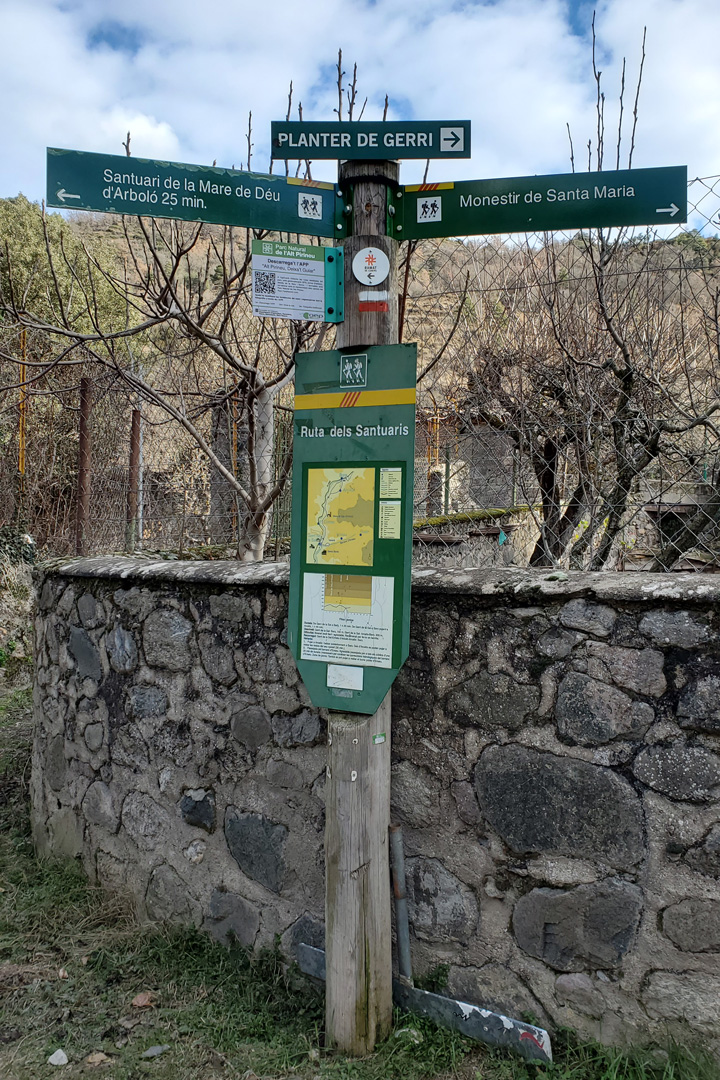
From here we hiked to the hermitage of Mare de Deu de Arboló.
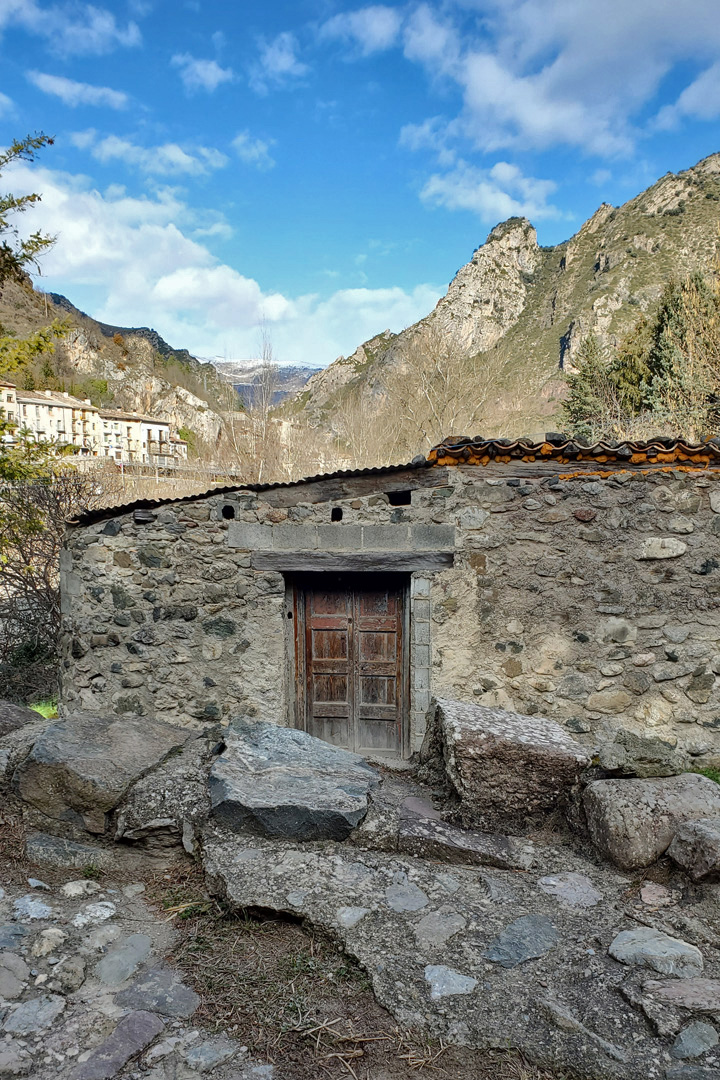
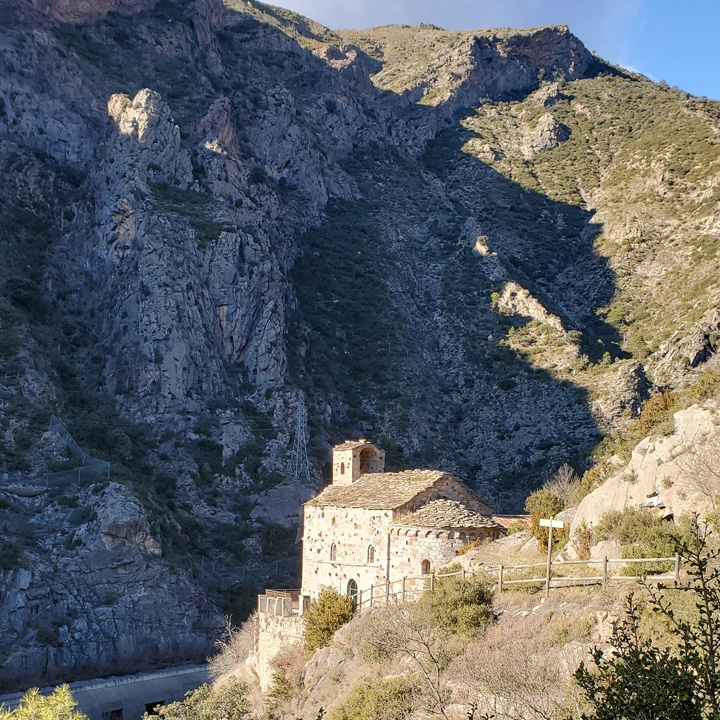
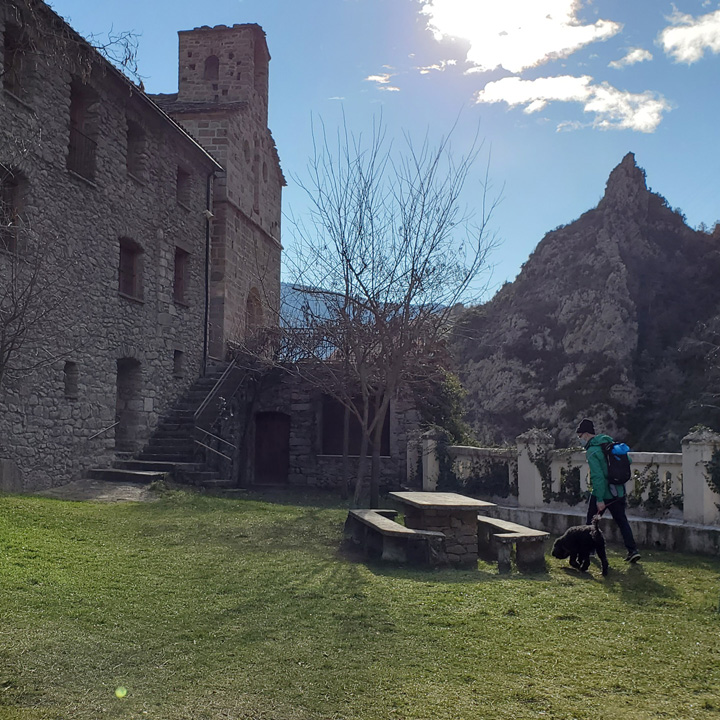
The hermitage of Arboló (10th century) was beautifully sited, with a privileged position on a promontory above the river but tucked into the rocks in a way that created a small entry porch right in front of the church, and a grassy gathering space below it, sheltered by the mountain on one side. It also had easy access from the road and appears frequently used to this day.
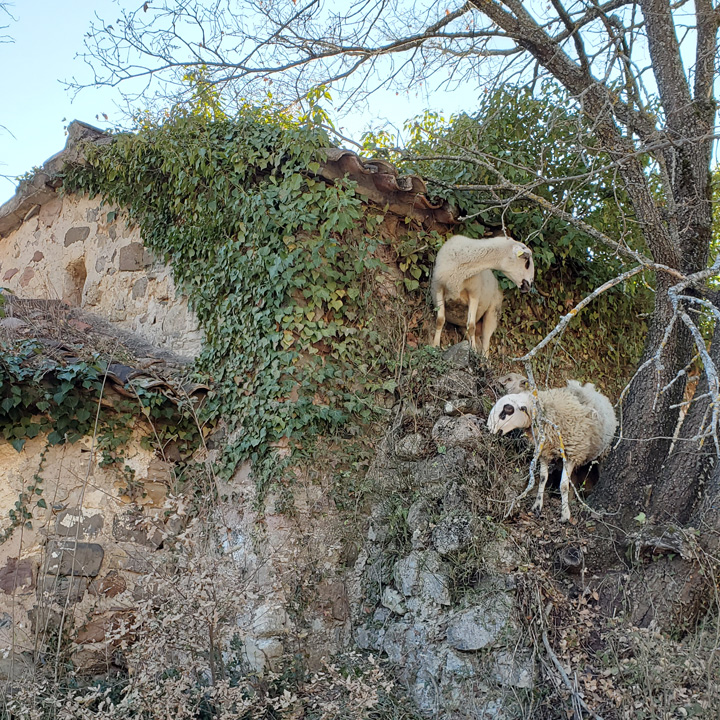
Another day, we did a loop hike that took us through the 3 nearby hamlets of Bretui, Montcortes and Cortscastell. In Cortscastell we found a ruined hermitage church, with sheep helpfully eating its overgrowth.
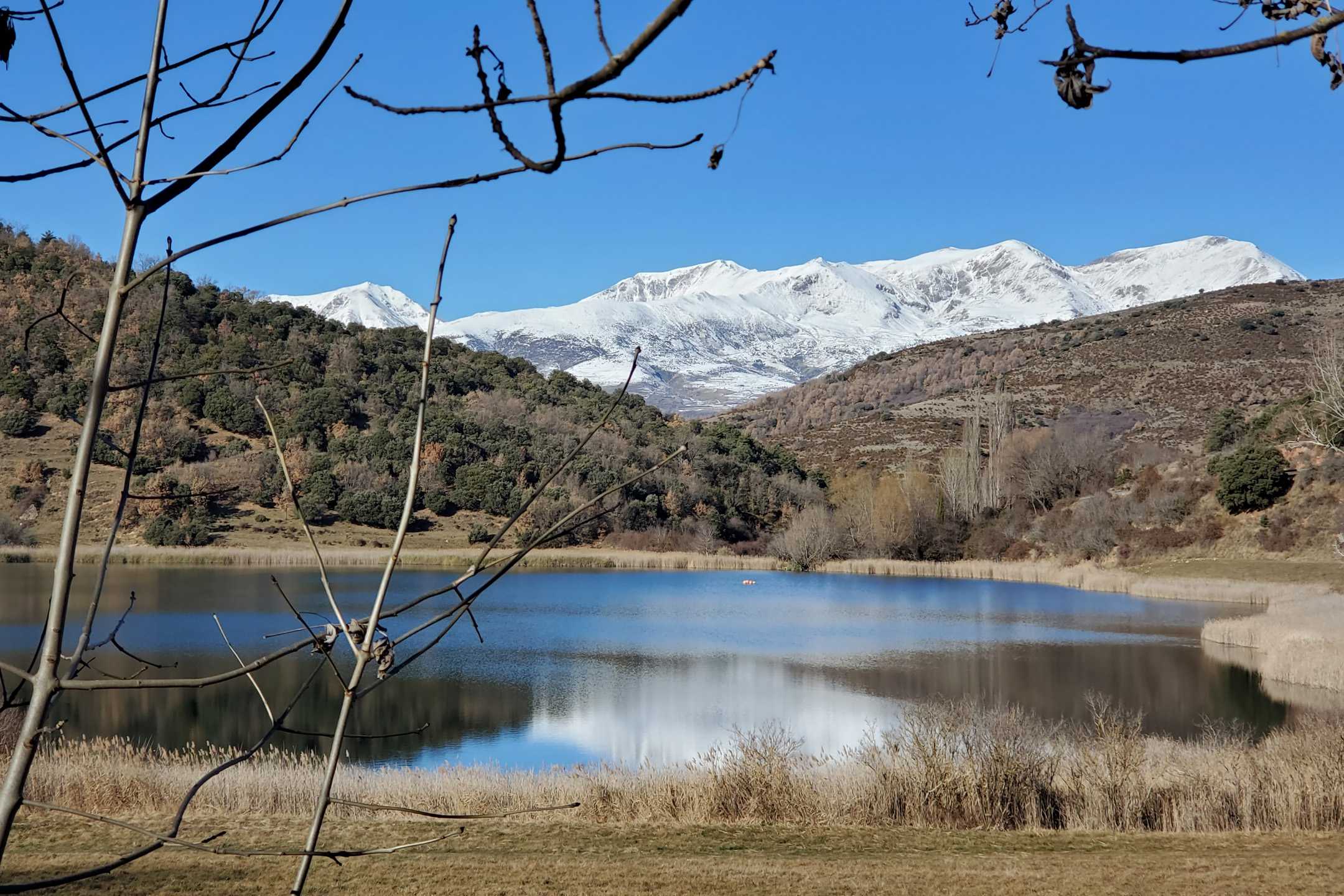
From the loop, we took a short detour to the beautiful Lake de Montcortes. I couldn't verify which mountain is in the background of this shot, but it seems to be looking directly toward Pico Aneto, the tallest peak in the Pyrenees (3,404m).
On our last day, Ed and I rushed to walk to nearby Balestui, about 50 minutes away, another nearby hamlet. We had tried to go previously but had mistakenly gone to Bretui. It was worth the effort; the walk was beautiful, through hardwood forest where we found lush mosses and other interesting lichens and tiny succulents. The town itself was also very picturesque. The large sheltered porch in the second photo seems to be a common architectural feature in the area, characterized by a high roof, large wood beams and shelter for outdoor eating, a grill or fireplace, firewood storage and in this case a hammock.
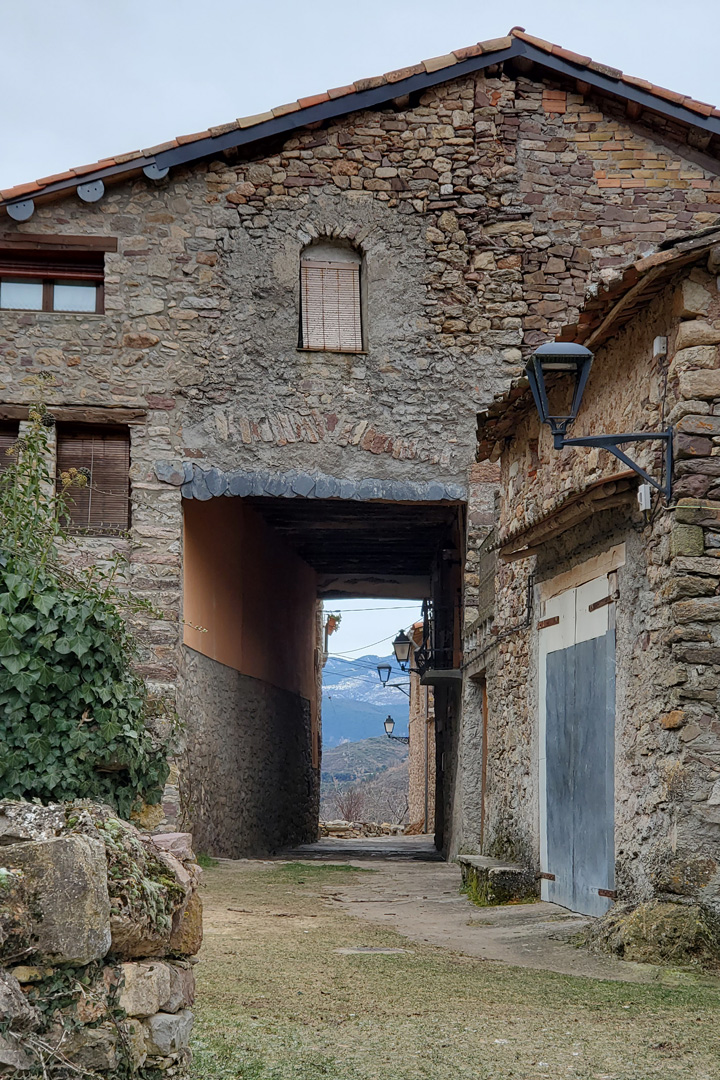
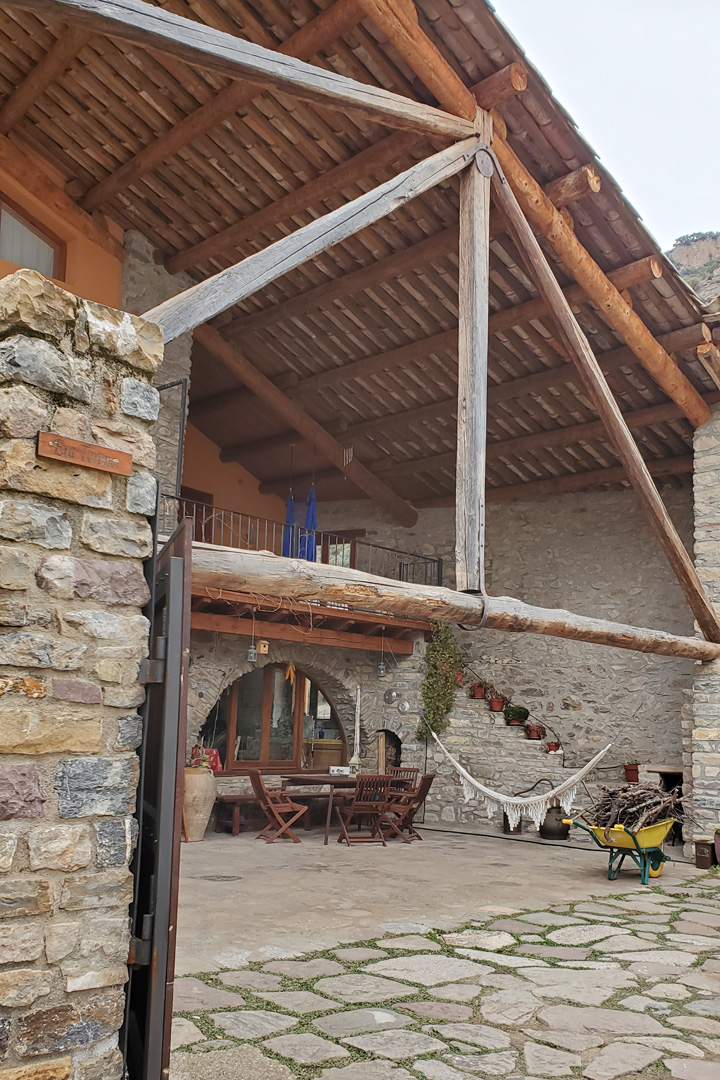
The route offered beautiful views back to Peramea
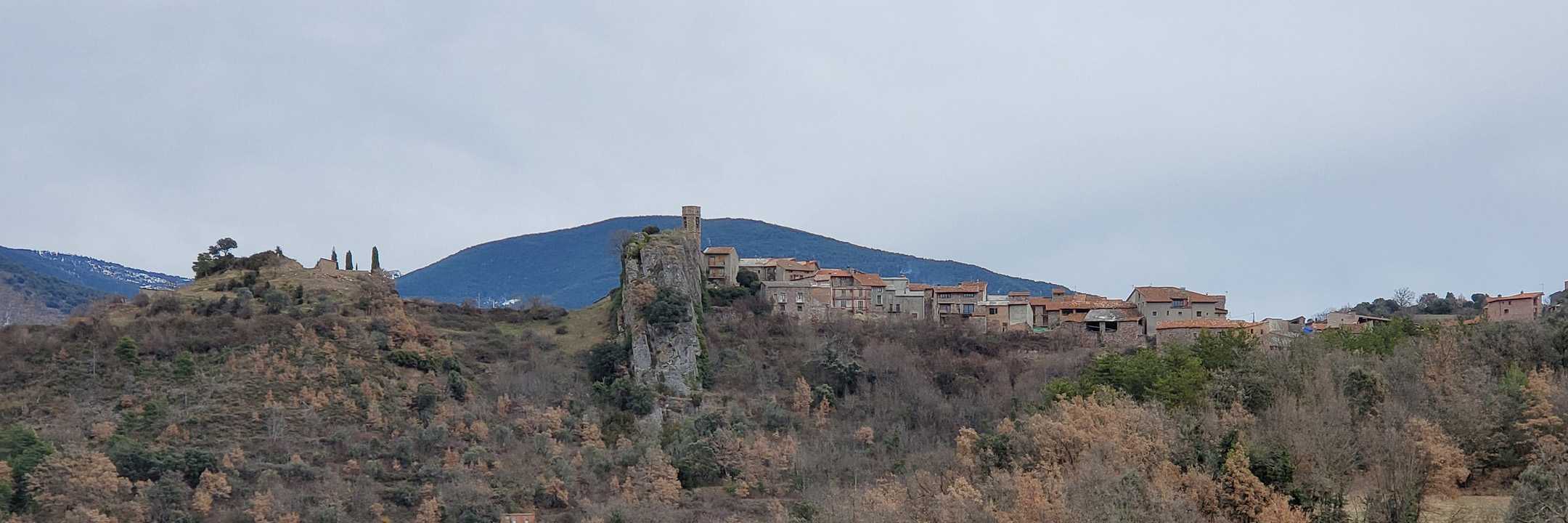
and to the Giganta Adormida (or Sleeping Giant, aka the Tossal de l’Àliga).