els Mercats
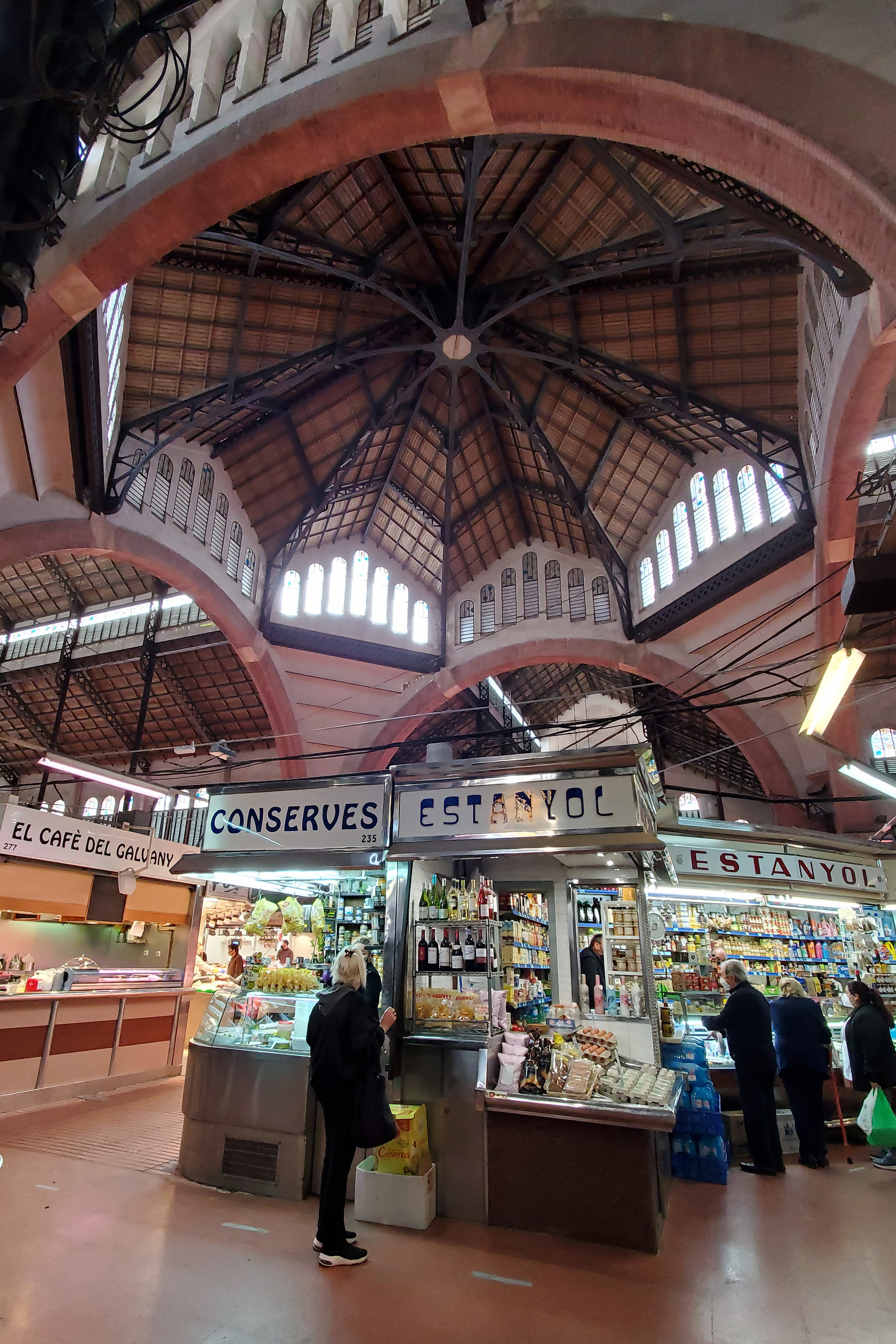
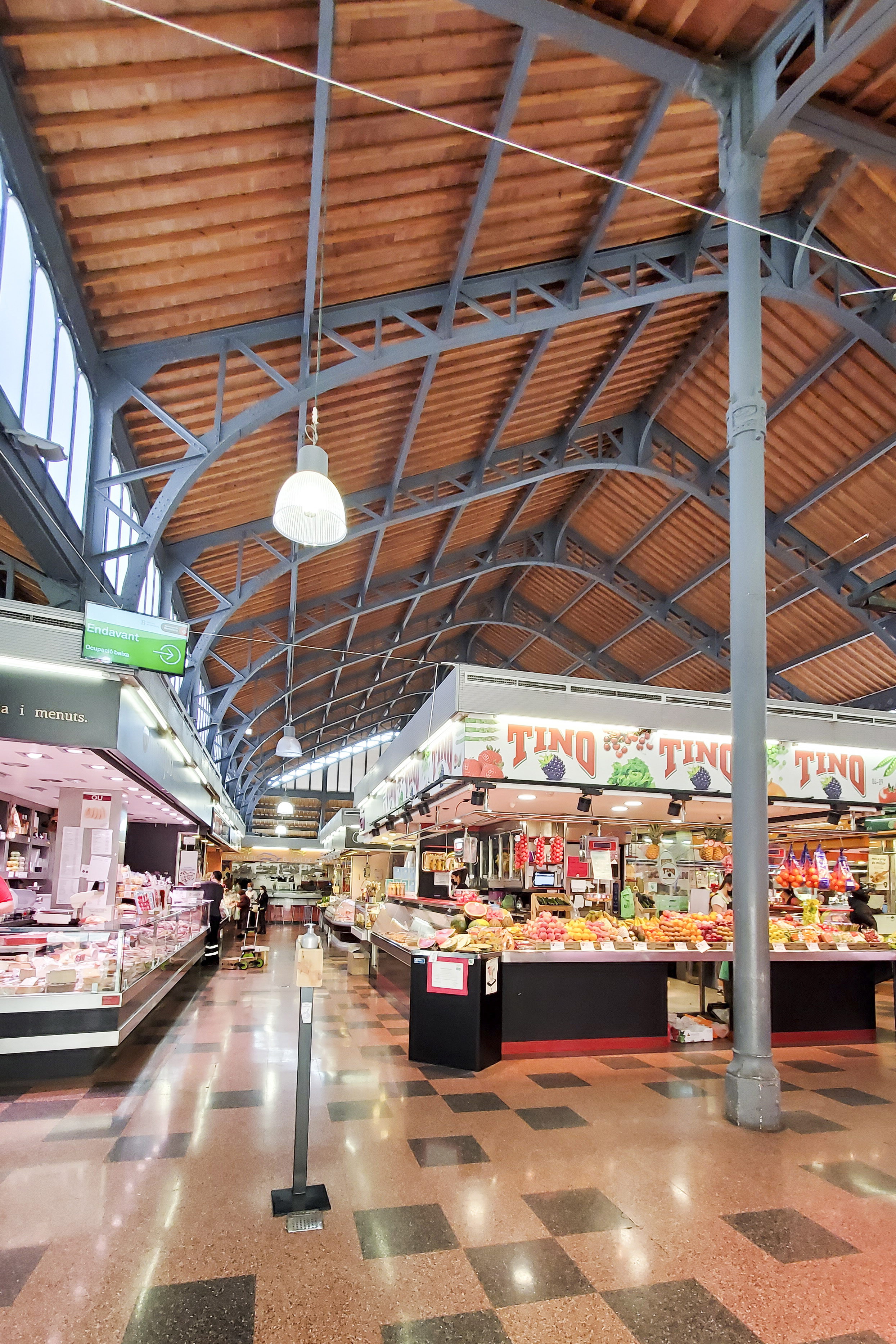
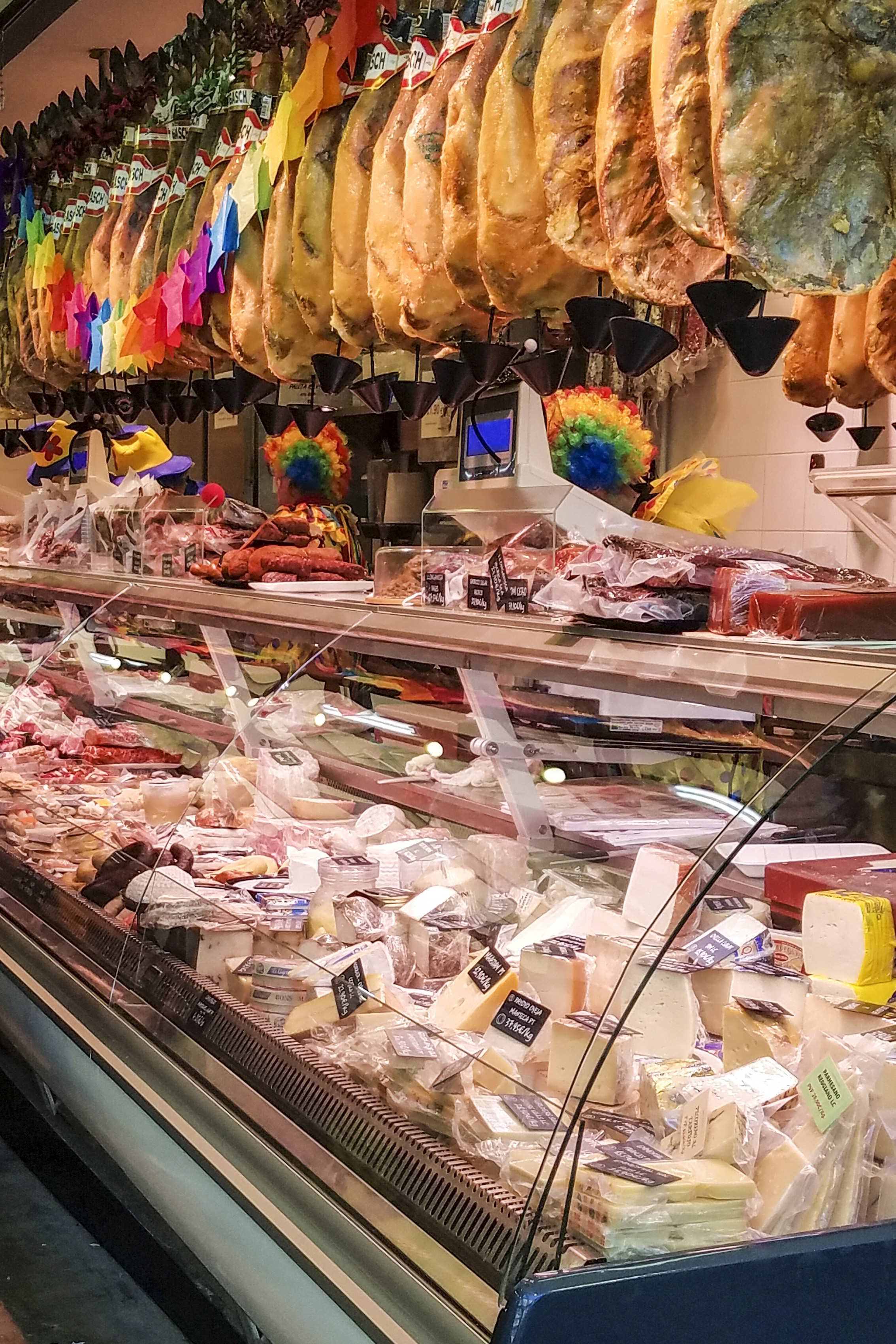
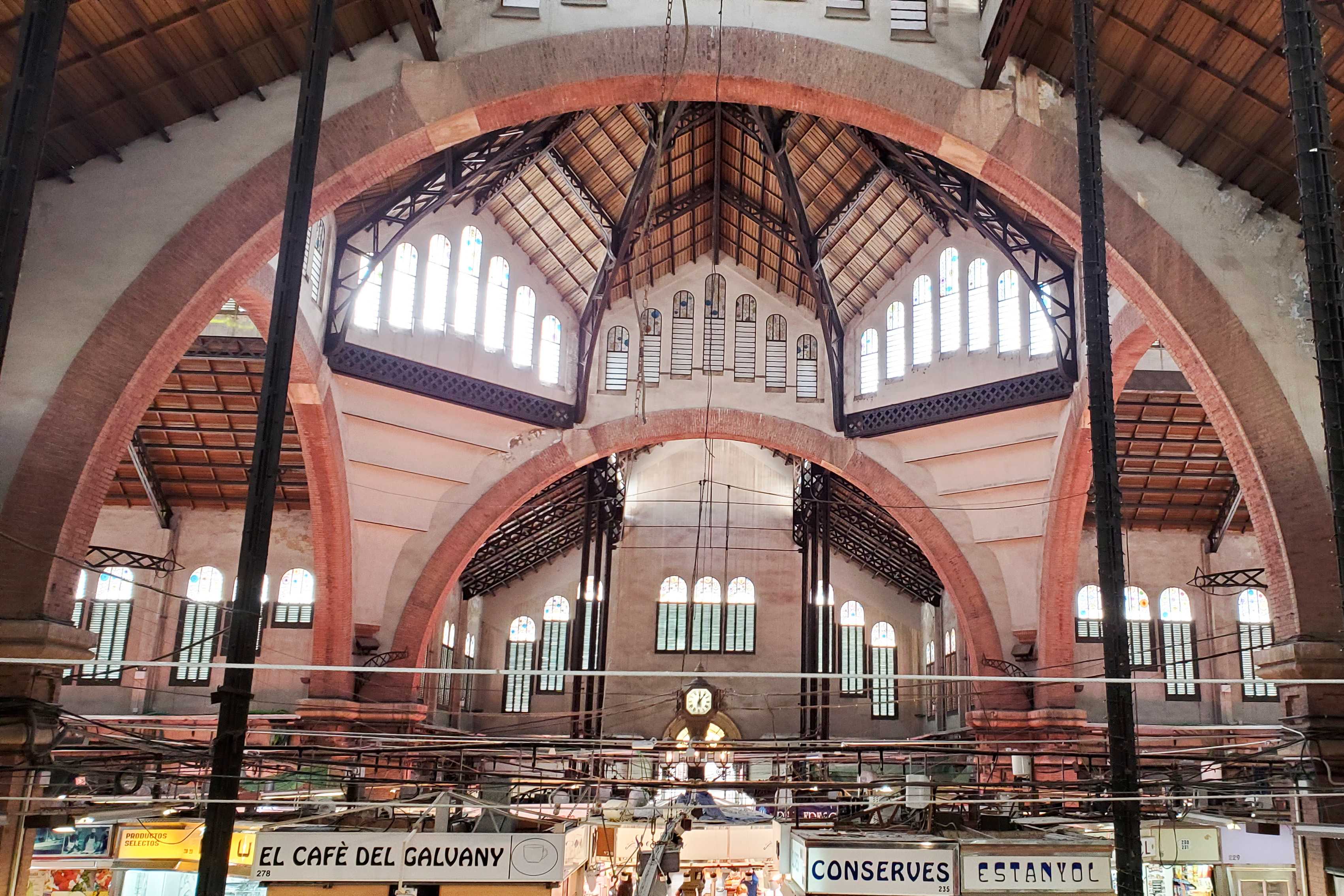
Interior market views (above): Galvany, Llibertat, l'Abaceria during Carnival.
Before I started work on this post, I assumed I had been inside most of Barcelona's municipal food markets. . .then I perused the list and was surprised to find that the 9 I had shopped in made up less than a quarter of the roster of 39!
Barcelona's markets are impressive in so many ways: in the quality and freshness of their food, but also the breadth of their network across the city, their architectural variety, and combination with other services and offerings.
Mercat de la Concepcio has a vast year-round flower and plant market at one end. Santa Caterina has a striking colorful undulating roof meant to be seen from the air.
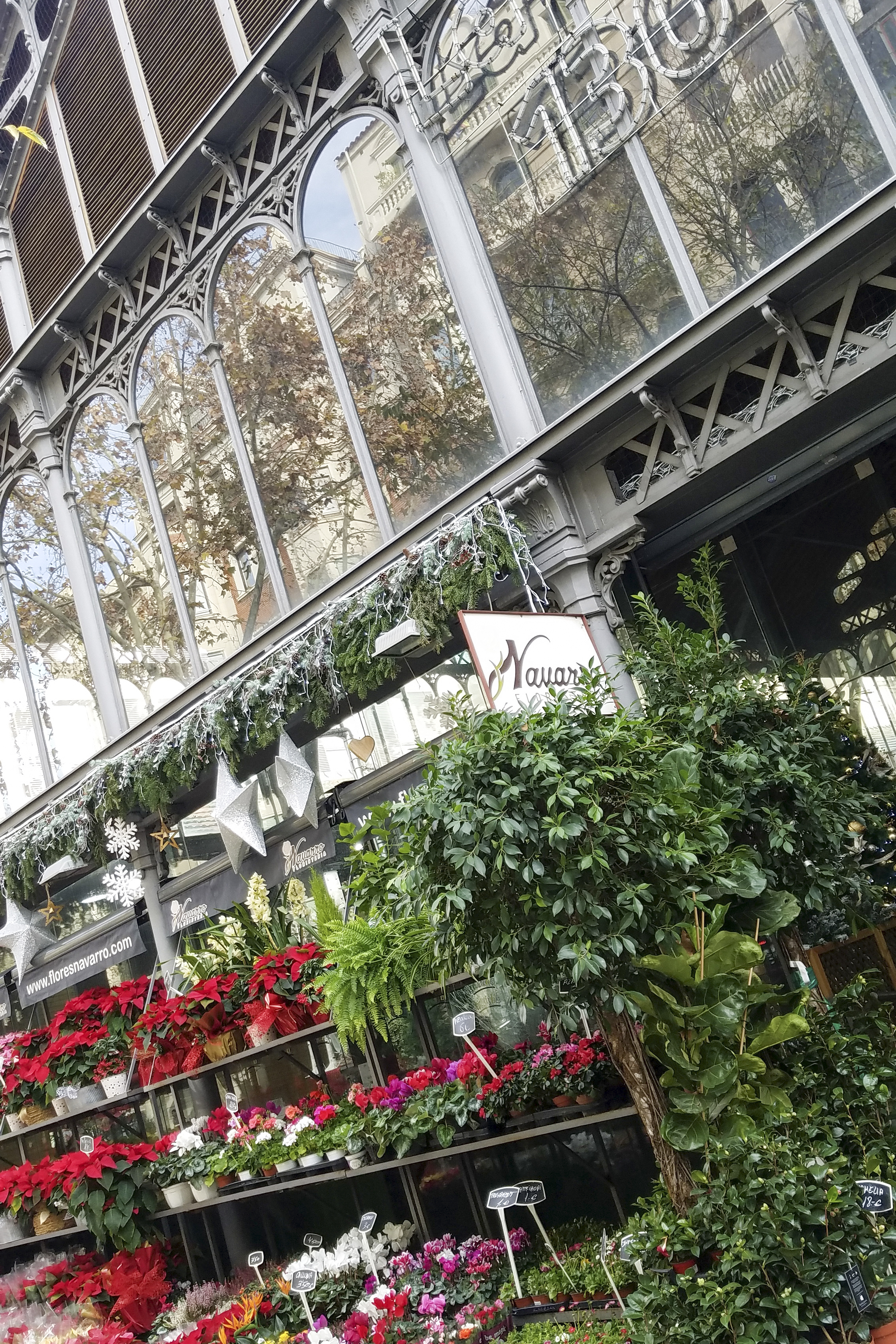
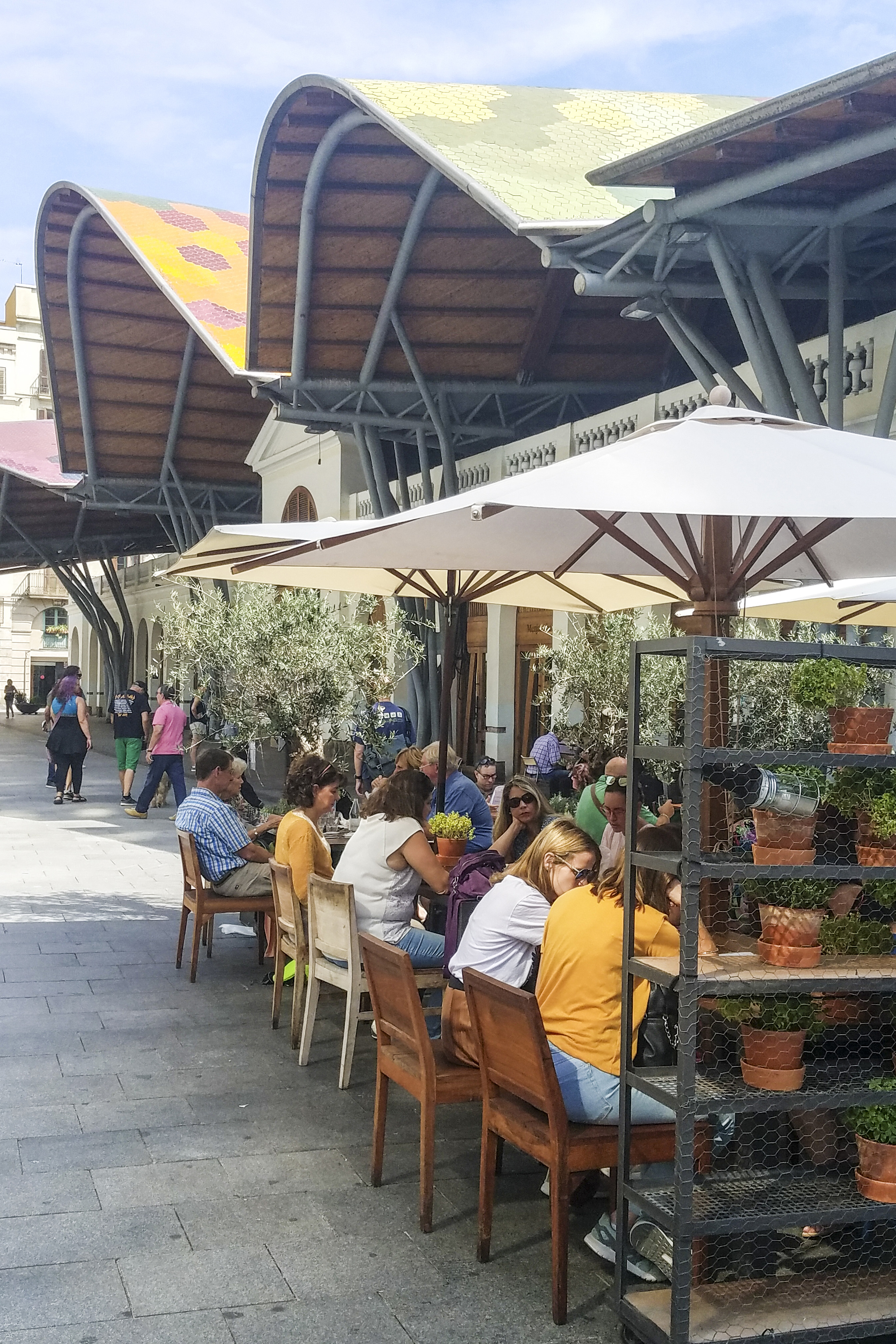
Not the least noteworthy is the ambitiousness of the city-wide renovation program – a public-private partnership - that is roughly 75% complete. This publication about the markets and their renovation plans gave me a deeper appreciation for their importance as urban infrastructure: in addition to their physical role in creating livable neighborhoods, their combined scale gives them the ability to influence sustainability and agricultural policy within Catalonia. As physical infrastructure, the renovations are noteworthy in their scope: many include the addition of underground parking, most include a supermarket (with equitable representation of the various chains). Many of them are historic cast-iron structures and their restoration is part of the program.
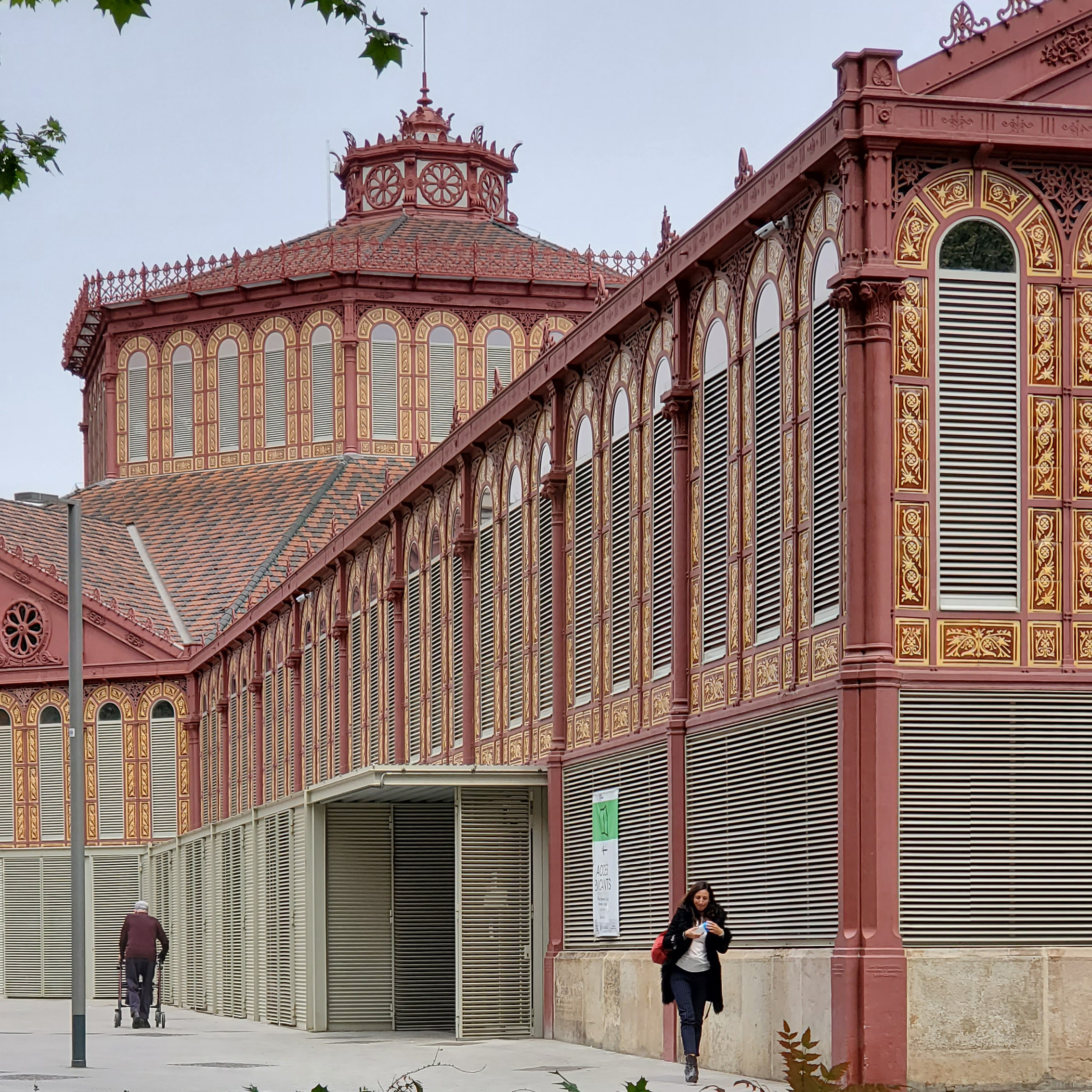
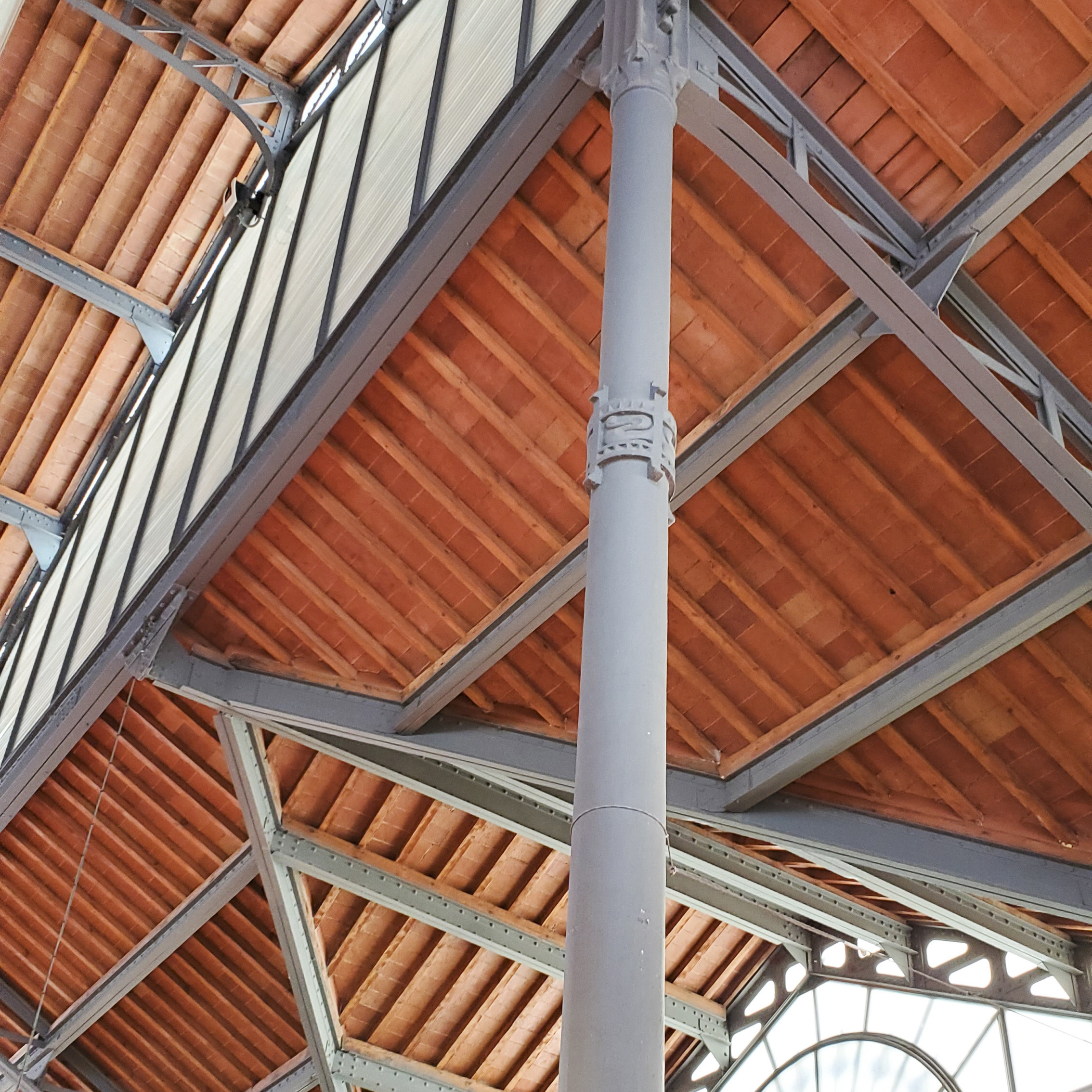
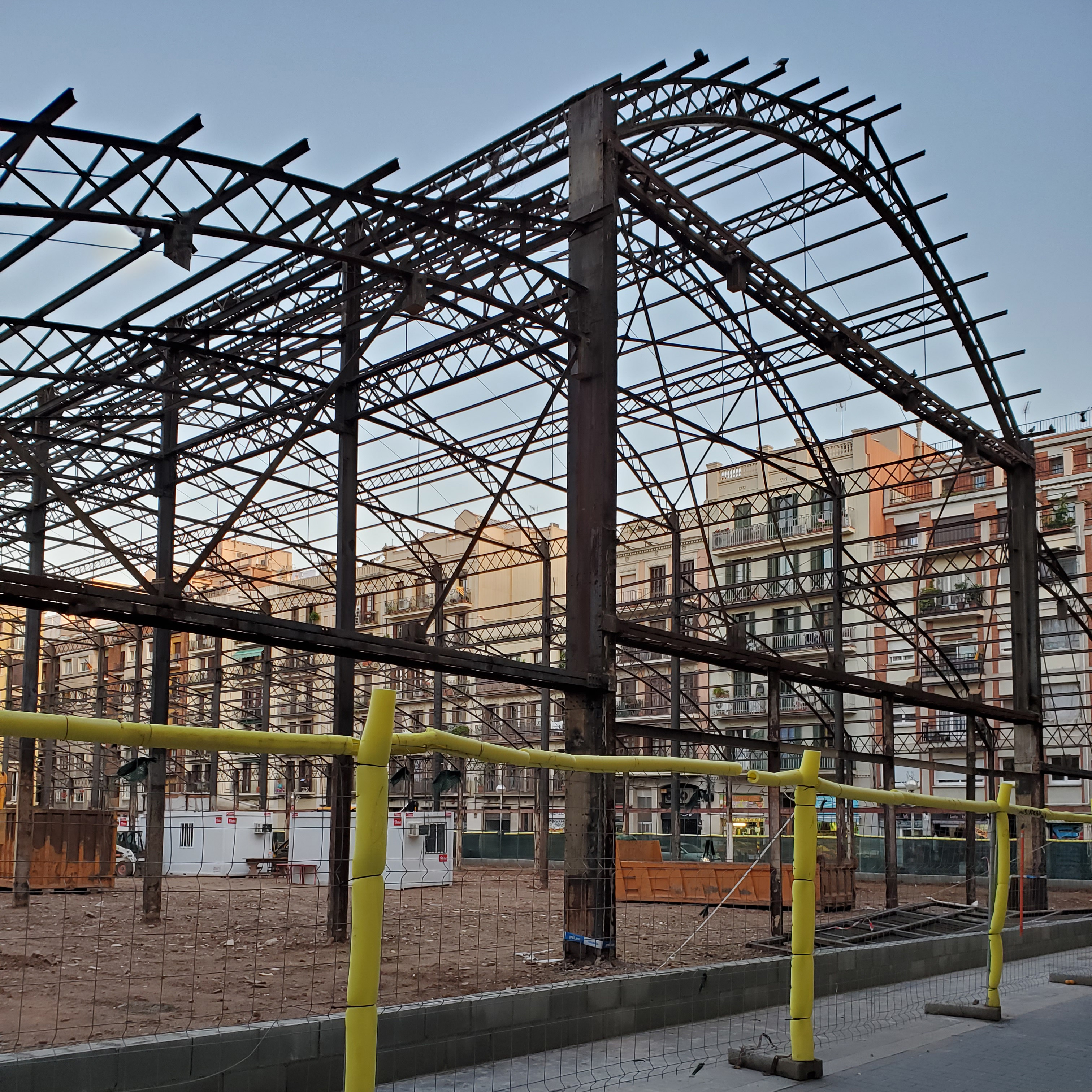
Above: Sant Antoni, Llibertat, l'Abaceria under construction.
Also notable is the commitment to providing robust temporary space during renovation. The markets in two favorite neighborhoods – Gracia's Abaceria and Sant Andreu – are currently in nearby purpose-built temporary structures while building renovations take place.
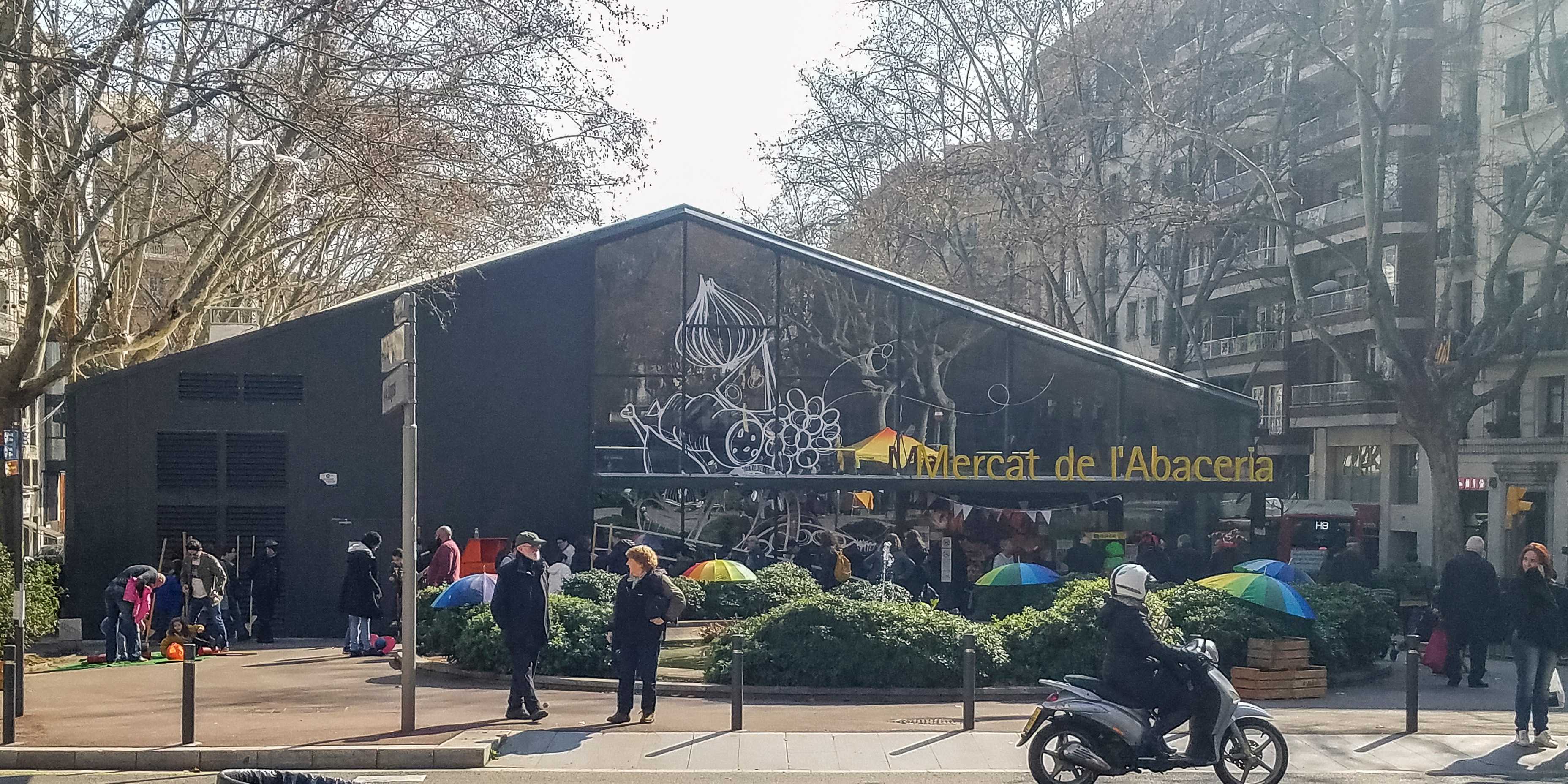
The Boqueria, located on the Rambla, is the city's pre-eminent market, the self-described "best market in the world." Both the food and the [pre-Covid] crowds are overwhelming. Normally, vendors have many delectable ready-to-eat snacks (and mouth-watering fresh juices) to cater to tourists.
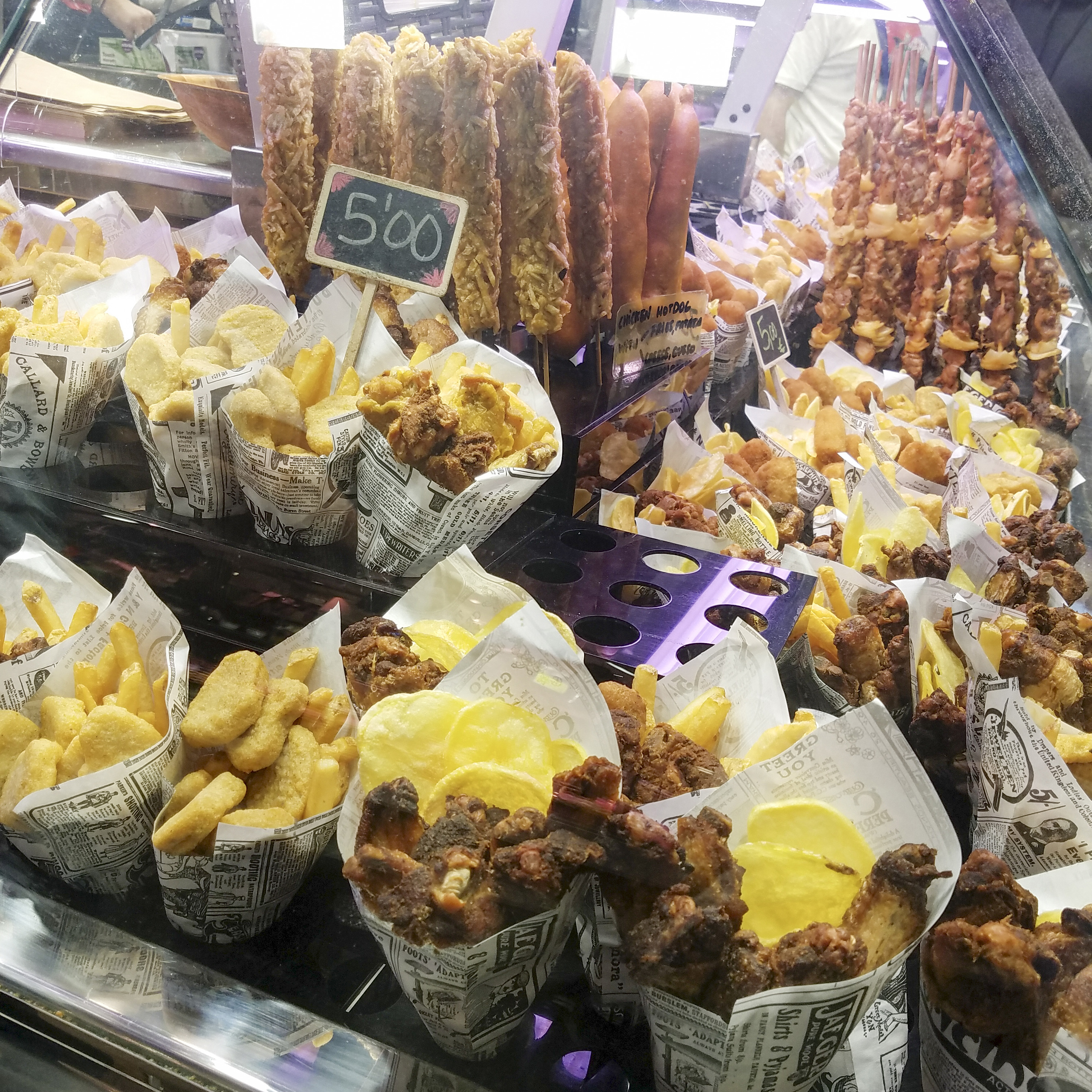
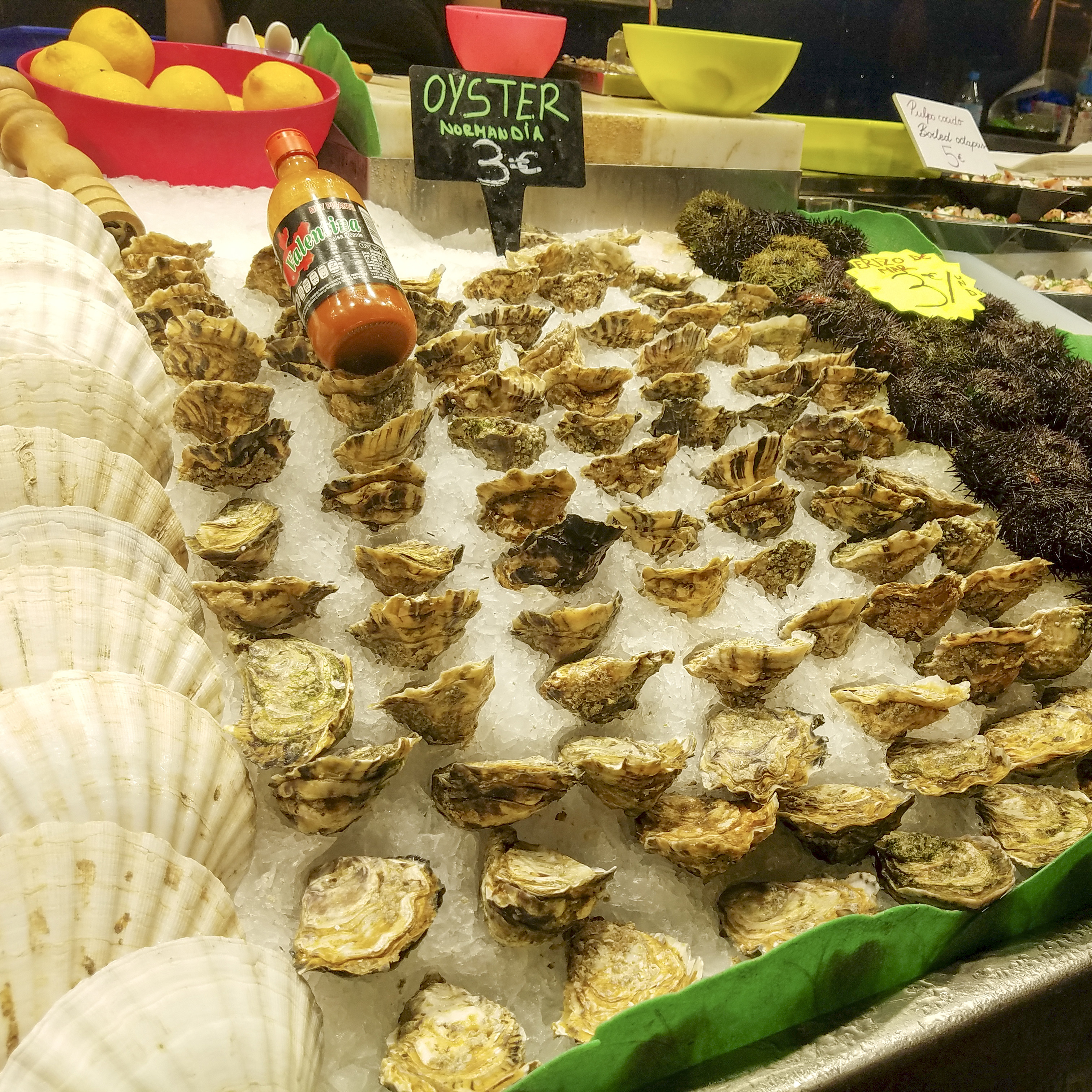
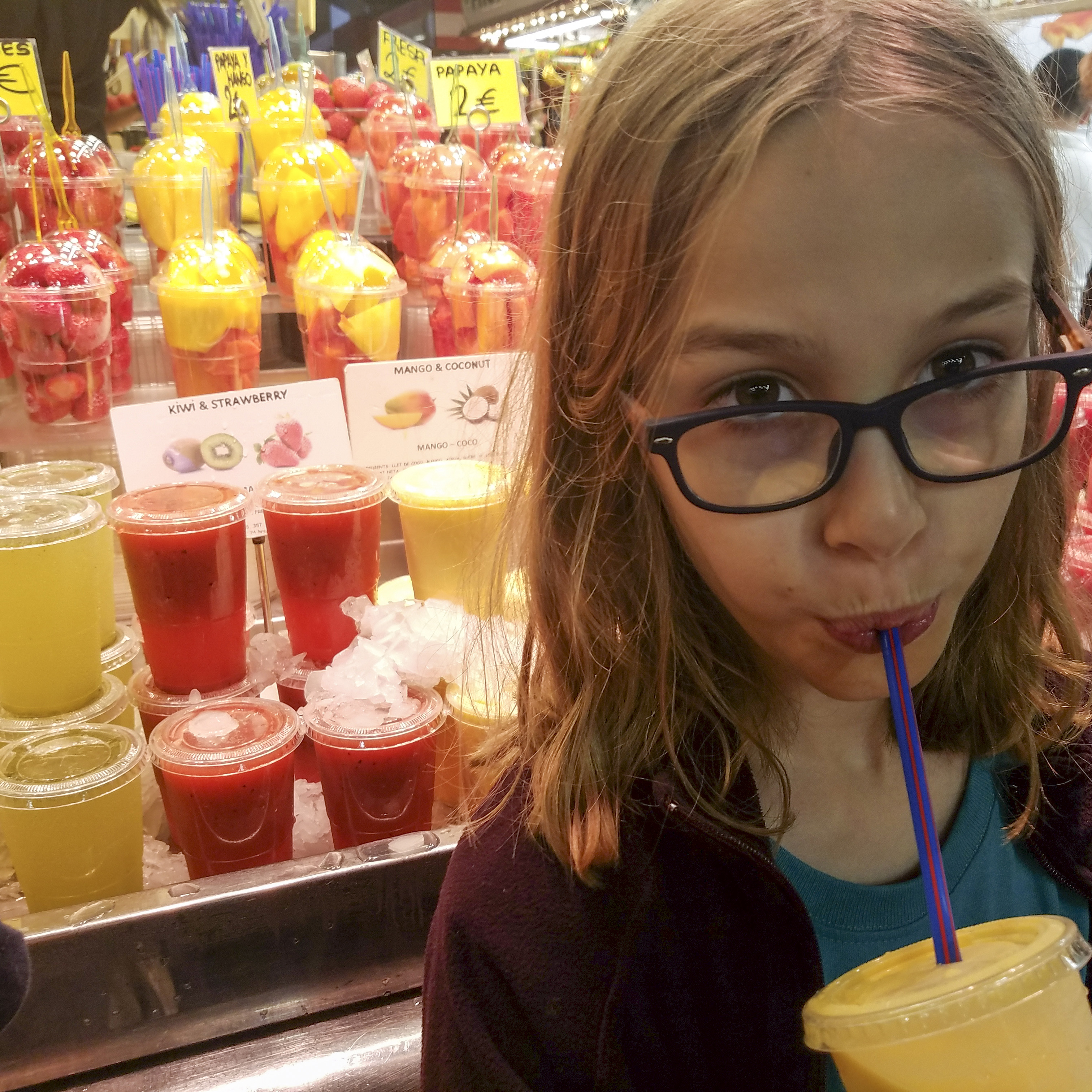
Right now the Boqueria is refreshingly calm, with visitor populations more comparable to the city's other markets. The markets are considered essential services, and during last year's lockdown they added (or amplified) home delivery options and other measures, catering especially to seniors. The Abaceria still monitors occupancy and controls entry accordingly.
Just last week I visited the Galvany market for the first time. It's the only market I've seen contained within a walled compound. It has a similar cross-shaped layout to many others, but with a primary structure of masonry instead of cast iron.